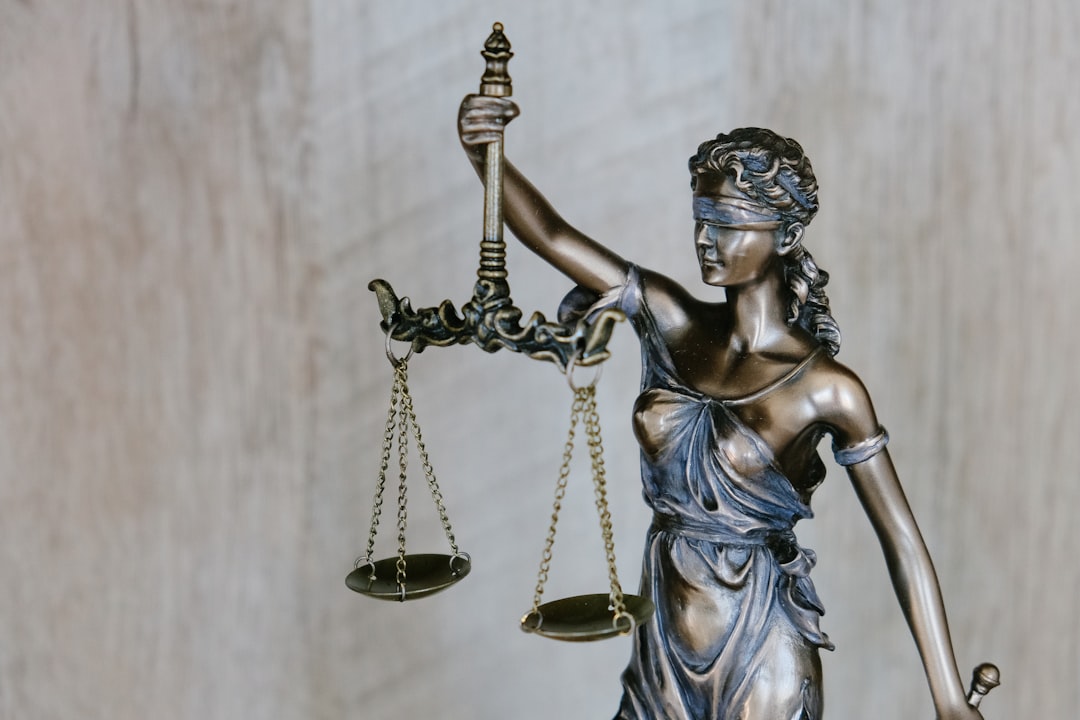
In Coventry, adhering to 2006 Communication Services Regulations is crucial to avoid £500,000 ICO fines. Unwanted call lawyers, like RI specialists, emphasize differentiating legitimate sales from scam calls. Residents and businesses should register on 'Do Not Call' lists, train employees, use call-blocking technology, stay informed about scams, and report suspicious activities. Telemarketers' calls remain prevalent, prompting DIY tools and ICO reporting. Software and hardware blocking methods, updated regularly, combat evolving spammer tactics. Unwanted Call Lawyer RI experts navigate telecommunications law, draft cease-and-desist letters, and represent clients in court for damages or injunctive relief against abusive calling practices.
In the digital age, our landlines remain vital communication channels, especially for businesses and homes in Coventry. However, they are not immune to unwanted call invasions, leading to frustration and potential privacy breaches. The prevalence of telemarketing calls and scams has prompted many to seek effective DIY solutions to block these nuisance calls. This article provides a comprehensive guide, offering practical steps to safeguard your landline from unwanted callers, ensuring a quieter and more secure communication experience. With insights tailored for Coventry residents, we aim to empower individuals to take control, blocking these calls without the need for an Unwanted Call Lawyer RI—a solution within reach for everyone.
Understanding Unwanted Call Laws in Coventry

In Coventry, as across the UK, understanding and adhering to laws regarding unwanted calls on landlines is paramount for both businesses and individuals. The Communication Services (Marketing Communications) Regulations 2006 establish clear guidelines to protect consumers from nuisance calls. These regulations are enforced by the Information Commissioner’s Office (ICO), which has the power to issue fines of up to £500,000 for non-compliance. Notably, businesses must obtain explicit consent before making marketing calls, and callers must identify themselves and provide an opt-out option.
A key aspect often overlooked is the distinction between legitimate sales calls and scams. Unwanted call lawyers in Coventry, such as those from RI, emphasize the importance of due diligence in identifying fraudulent activities. For instance, a caller claiming to be from a well-known utility company but demanding immediate payment over the phone should raise red flags. The ICO reports that while many legitimate businesses comply with regulations, an alarming number of calls still fall into the nuisance or scam category.
To mitigate risks, Coventry residents and businesses are encouraged to take proactive measures. This includes registering landline numbers on the official ‘Do Not Call’ register, ensuring all employees undergo training in responsible call practices, and utilizing technology solutions designed to block unwanted calls. Moreover, staying informed about emerging scams and reporting suspicious activities to relevant authorities can significantly contribute to a safer communication environment. Regular consultations with legal experts specializing in telecommunications law are also beneficial for businesses aiming to stay compliant in this ever-evolving regulatory landscape.
Identifying and Reporting Spam Calls

Unwanted calls are a widespread nuisance, but Coventry residents now have DIY solutions at their fingertips to tackle this issue, especially when it comes to blocking spam calls on landlines. While automated systems can filter out known telemarketers, identifying and reporting these persistent intrusions is a crucial step in the battle against unwanted call lawyers RI and other intrusive marketing tactics.
One of the most effective methods involves utilizing the official complaint mechanisms provided by regulatory bodies. The Information Commissioner’s Office (ICO) in the UK offers a dedicated reporting system for spam calls, allowing individuals to log incidents and contribute to a comprehensive database. By providing detailed information about the caller, including numbers, frequency, and any identifying patterns, these reports aid in tracking down persistent violators. Moreover, many telephone service providers offer call-blocking features that learn from user feedback, further refining their filters based on reported spam calls.
For instance, a recent study by Ofcom revealed that over 70% of UK adults experienced unwanted marketing calls within the past year. This statistic underscores the urgency for proactive measures. By participating in collective reporting efforts and leveraging provider-offered tools, Coventry residents can significantly reduce their exposure to these nuisances. An unexpected benefit of such actions is the potential to influence legislation; robust community participation may lead to stricter regulations targeting telemarketers, ultimately providing greater protection against unwanted call lawyers RI and similar annoyances.
Technical Tools for Blocking Calls

In the age of relentless digital connectivity, unwanted calls on landlines remain a persistent issue for many Coventry residents. While extensive legislation exists to protect consumers from such nuisances—including the Communications Act 2003 and the Privacy and Electronic Communications (EC) Directive—the practical implementation of blocking solutions remains a point of contention. Enter the realm of DIY technical tools, which offer an array of options for individuals seeking to silence persistent unwanted callers.
One popular approach involves utilizing specialized call-blocking applications. These software solutions operate by identifying and filtering out known spam numbers through advanced database cross-referencing. For instance, apps like CallControl or TrueCall boast accuracy rates exceeding 90%, significantly reducing the number of nuisance calls received. Additionally, many such applications provide detailed call logs, allowing users to report spam effectively. This collaborative reporting contributes to expanding blocklists and enhancing the overall effectiveness of these tools.
However, not all solutions reside within the digital realm. Hardware-based options, such as advanced phone filters or custom-programmed routers, offer more robust protection against unwanted calls. These devices operate at the network level, blocking calls before they even reach a user’s line. For instance, some models use unique ring tones to indicate incoming spam calls, enabling quick dismissal. Furthermore, consulting with a qualified Unwanted Call Lawyer RI can provide guidance on legal options and help individuals navigate complex regulations surrounding call blocking, ensuring compliance while protecting their rights.
Ultimately, the choice of technical tool depends on individual preferences, technological savviness, and budget. A combination of software and hardware solutions often proves most effective in creating a robust defense against unwanted calls. Regular updates to these tools are crucial, as spammers continually adapt their tactics. Staying informed about new technologies and legal developments ensures that Coventry residents can maintain a peaceful and undisturbed home environment.
Consulting an Unwanted Call Lawyer RI (as needed)

In some cases, despite the best efforts of DIY solutions, unwanted calls can persist and become more than a nuisance—they may indicate a potential violation or harassment. This is where consulting an Unwanted Call Lawyer RI becomes crucial. These legal professionals specialize in navigating the complex landscape of telecommunications law to protect consumers from abusive or nuisance calling practices.
Unwanted call lawyers are equipped with in-depth knowledge of federal and state laws, such as the Telephone Consumer Protection Act (TCPA), designed to curb excessive and unsolicited calls. They can help identify if a caller has violated these laws and guide victims through potential legal recourse. For instance, if an individual or organization receives repeated calls from unknown sources, an Unwanted Call Lawyer RI can analyze call records, trace the origin, and advise on whether legal action is warranted.
The role of such lawyers extends beyond legal advice; they often assist in drafting cease-and-desist letters to persistent callers, which can be a powerful deterrent. They also represent clients in court if needed, advocating for monetary damages or injunctive relief to stop the calls. It’s a strategic approach that combines technical expertise with a deep understanding of consumer rights. For instance, data from the Federal Trade Commission (FTC) highlights that many call blocking apps fall short when facing sophisticated spamming operations, underscoring the need for professional legal intervention in such scenarios.