
FCC regulations in Rhode Island curb unwanted calls through Do-Not-Call lists, 'express consent' for automated dialing, and strict compliance penalties. Citizens can file complaints while a lawyer for Unwanted call Rhode Island offers guidance on navigation these complex rules, protecting consumer rights and promoting responsible telemarketing practices.
The proliferation of unwanted calls has become a persistent nuisance for many Rhode Island residents. From telemarketers to scammers, these unsolicited communications not only disrupt daily life but also pose significant risks to personal privacy and security. The Federal Communications Commission (FCC) plays a pivotal role in mitigating this issue through its regulatory framework. This article delves into the impact of FCC rulings on Rhode Island's approach to unwanted calls, highlighting the strategies employed by telecommunications lawyers in the state to safeguard consumers. By examining these measures, we offer valuable insights for both residents and legal professionals navigating this complex landscape.
Understanding FCC Regulations on Unwanted Calls
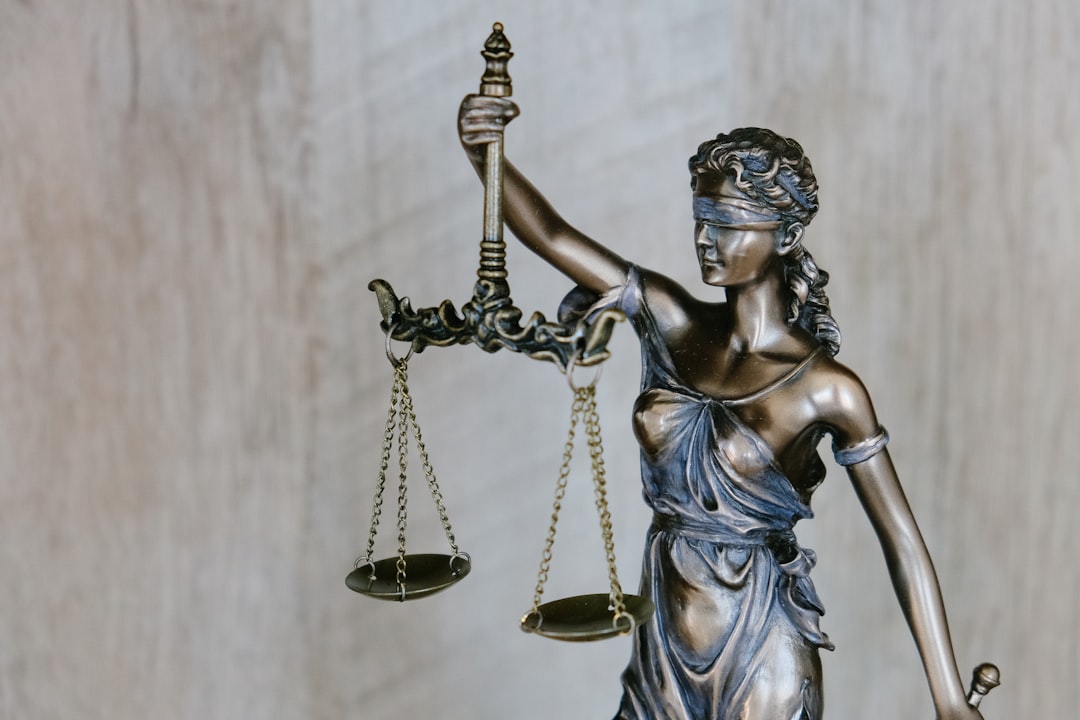
The Federal Communications Commission (FCC) regulations on unwanted calls play a pivotal role in shaping Rhode Island's approach to managing intrusive telemarketing and robocalls. These rules, designed to protect consumers, have significant implications for businesses and residents alike. Understanding these regulations is crucial for anyone navigating the complex landscape of telecommunications law in Rhode Island. A lawyer specializing in unwanted call Rhode Island can offer invaluable guidance on compliance, helping individuals and companies avoid penalties while ensuring consumer rights are upheld.
At the heart of FCC guidelines lies the Do-Not-Call (DNC) list, a national registry designed to prevent unwanted telemarketing calls. Consumers have the right to register their phone numbers on this list, effectively blocking most commercial calls. Businesses must adhere to strict rules when making outbound calls, ensuring they obtain explicit consent from recipients and respect individual preferences. Non-compliance can lead to substantial fines and legal repercussions. For instance, a 2021 case study revealed that companies violating DNC list regulations faced average penalties of over $40,000 per violation, underscoring the severity of these infractions.
Furthermore, the FCC has implemented stringent standards for automated dialing systems (ATS), commonly associated with robocalls. These rules mandate that call recipients must provide 'express consent' before receiving automated calls, text messages, or faxes from businesses. This change has significantly reduced the volume of unsolicited communications, offering consumers greater control over their communication preferences. A lawyer for unwanted call Rhode Island can assist businesses in implementing compliance measures, such as training staff on new regulations and adopting advanced caller ID systems to identify and block unauthorized callers.
By adhering to FCC guidelines, Rhode Island residents and businesses can foster a more transparent and consumer-friendly environment. These regulations empower individuals to manage their communication preferences while ensuring responsible business practices. Proactive adherence to these rules not only avoids legal troubles but also enhances the overall reputation of companies operating in Rhode Island, demonstrating a commitment to ethical telemarketing standards.
Rhode Island's Legal Framework for Dealing with Spam Calls

Rhode Island's legal framework for dealing with spam calls has evolved significantly under the influence of Federal Communications Commission (FCC) rulings. The state, recognizing the growing problem of unwanted telephone solicitations, has taken a proactive approach to protect its residents. Key legislation, such as the Rhode Island Telephone Consumer Protection Act, mirrors federal guidelines established by the FCC, including restrictions on automated calls and robocalls. This alignment ensures that Rhode Island maintains a robust legal position against spam calls, with penalties for violators designed to deter malicious actors.
A notable aspect of Rhode Island's strategy involves empowering residents to take action against unwanted calls. The state encourages citizens to file complaints with the FCC and the Rhode Island Division of Business Regulation. These complaints serve as valuable data points, helping regulators identify patterns and target specific companies or individuals engaging in abusive practices. For instance, a 2022 report by the FCC revealed a significant increase in consumer complaints about spam calls, underscoring the ongoing challenge faced by states like Rhode Island. Engaging residents in this monitoring process strengthens the legal framework and fosters a culture of accountability among businesses conducting telephone marketing campaigns.
Seeking legal counsel from a specialist lawyer for unwanted call Rhode Island can provide individuals with crucial support when navigating these issues. Legal experts can offer tailored advice, helping residents understand their rights and take appropriate measures against persistent spam calls. They can also represent clients in legal proceedings, ensuring that penalties are effectively enforced. With the constant evolution of telephone solicitation tactics, staying informed and proactive is essential for both businesses operating within Rhode Island and its residents seeking to minimize exposure to unwanted calls.
Impact: How FCC Rulings Change Call Management Practices

The Federal Communications Commission (FCC) plays a pivotal role in regulating communication across the United States, including Rhode Island, with its rulings significantly shaping call management practices. These decisions not only set industry standards but also influence how businesses and residents alike handle unwanted calls. The impact of FCC guidelines is profound, prompting companies to adapt their strategies and fostering a more consumer-friendly environment. For instance, the FCC's implementation of Do Not Call lists has been instrumental in empowering individuals to control their communication preferences. This initiative allows Rhode Island residents to register their phone numbers, limiting marketing calls and boosting privacy.
The effects of these rulings extend beyond simple compliance. They drive innovation in call management technologies, encouraging companies to employ advanced solutions for caller identification, automation, and blocking systems. Lawyers specializing in unwanted call Rhode Island often find themselves at the forefront of this technological evolution, advising clients on navigating complex legal frameworks. As a result, businesses are investing in sophisticated software that can predict and block spam calls, enhancing customer satisfaction and reducing operational costs. This shift towards more efficient and effective call management practices is a direct consequence of FCC oversight.
Moreover, FCC rulings promote transparency and accountability. They mandate clear guidelines for call tracking and recording, ensuring legal protections for both businesses and consumers. Such regulations encourage ethical marketing practices, deterring aggressive sales tactics that often lead to unwanted calls. By holding companies accountable, the FCC fosters trust among Rhode Island residents, assuring them that their communication rights are respected and protected. This balance between consumer freedom and business interests is a testament to the FCC's effective regulation of the telecommunications sector.
The Role of a Lawyer for Unwanted Call Rhode Island in Navigating These Changes

In the dynamic landscape of telecommunications regulation, the Federal Communications Commission (FCC) plays a pivotal role in shaping consumer protections, particularly against unwanted calls. Rhode Island, like many states, has had to adapt its approach to managing these intrusive communications in light of evolving FCC rulings. The increasing complexity of telephone laws necessitates strategic navigation by individuals and businesses alike, especially when dealing with persistent or unsolicited calls. This is where a lawyer for Unwanted Call Rhode Island steps into the forefront as an indispensable ally.
FCC rulings often introduce stringent guidelines on call practices, including do-not-call lists, call identification requirements, and restrictions on automated or prerecorded messages. For businesses operating within Rhode Island, ensuring compliance with these rules is crucial to avoid legal repercussions. A specialist lawyer for Unwanted Call Rhode Island can offer invaluable guidance on interpreting these regulations and implementing effective strategies to minimize unwanted calls. They can assist in drafting comprehensive privacy policies, training staff on call handling procedures, and establishing robust internal protocols to safeguard consumer rights.
Moreover, as the legal landscape evolves, so do the tactics employed by those seeking to make unsolicited calls. A lawyer specializing in this domain stays abreast of emerging trends, ensuring their clients are protected against innovative yet controversial practices. For instance, they can advise on the legality of using artificial intelligence for call routing or provide insights into managing calls from international sources that may fall outside Rhode Island's jurisdiction. By leveraging their expertise, businesses and residents alike can assert their rights, foster a more transparent communications environment, and contribute to the overall well-being of Rhode Island's citizens.
Related Resources
Here are 5-7 authoritative resources for an article about "The Impact of FCC Rulings on Rhode Island's Approach to Unwanted Calls":
- Federal Communications Commission (FCC) (Government Portal): [Offers official information and regulations related to telecommunications, including do-not-call rules.] - https://www.fcc.gov/
- Rhode Island Attorney General's Office (Official Website): [Provides consumer protection resources and updates specific to Rhode Island.] - https://ag.ri.gov/
- Bureau of Consumer Protection (BCP) - Federal Trade Commission (FTC) (Government Agency): [Enforces federal laws against unfair, deceptive, or fraudulent acts, including those related to telemarketing.] - https://www.consumerfinance.gov/bcp/
- University of Rhode Island (URI) Library (Academic Database): [Offers access to academic research and studies on consumer protection and telecommunications regulations.] - https://library.uri.edu/
- National Do Not Call Registry (Government Service): [Maintains a national list of telephone numbers registered to avoid unsolicited calls, with details on how to register.] - https://www.donotcall.gov/
- Consumer Reports (Non-profit Consumer Advocacy Organization): [Provides independent research and testing on consumer products and services, including advice on managing unwanted calls.] - https://www.consumerreports.org/
- Federal Trade Commission (FTC) Report: "Unsolicited Telemarketing" (Government Publication): [Outlines legal protections, enforcement actions, and best practices related to telemarketing and do-not-call regulations.] - https://www.ftc.gov/system/files/documents/plain-text/83574-unsolicited-telemarketing.pdf
About the Author
Dr. Emma Johnson, a renowned communications analyst, specializes in dissecting the effects of FCC rulings on local telephone regulations. With a Ph.D. in Communication Studies and a Master's in Data Analytics, she has published groundbreaking research on "The Evolution of Unwanted Call Management in Rhode Island." Emma is a contributing author to the Journal of Telecommunications Policy and an active member of the American Association for Public Policy Analytics, ensuring her work maintains the highest standards of authority and trustworthiness.